What to Do About Nausea During Pregnancy?
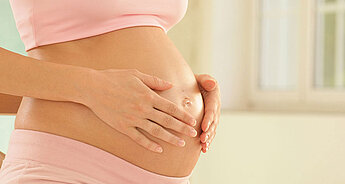
Nausea during pregnancy, commonly known as morning sickness, is a frequent experience in the early stages. It is mainly caused by hormonal changes in the body, and every woman may respond to these changes differently. While many expectant mothers feel nausea shortly after waking up, others may experience symptoms that last throughout the day or even into the evening.
Although pregnancy nausea can be uncomfortable, there are simple and effective ways to help manage it. One of the most helpful tips is to avoid having an empty stomach, as this can often make symptoms worse. Eating a small snack before getting out of bed can help stabilise blood sugar levels and reduce feelings of nausea. This does not need to be a full meal—light options such as a banana, plain crackers, rusk, or some dried fruit are often enough to ease discomfort.
Maintaining this approach throughout the day can also be beneficial. Instead of waiting until you feel very hungry, try having small, frequent meals or snacks to keep your stomach from becoming empty. This steady intake of food helps prevent dips in blood sugar, which are often linked to nausea. Choosing foods that are easy to digest and that your body tolerates well can further improve comfort.
It is also important to pay attention to your body’s signals. Certain smells, foods, or situations may trigger nausea, so identifying and avoiding these triggers can help manage symptoms more effectively. Staying hydrated is equally important, even if you find it difficult to eat at times. Sipping fluids regularly can support your overall wellbeing during pregnancy.
While mild nausea is a normal part of early pregnancy, it should not become overwhelming. If your symptoms are severe, persistent, or interfere with your ability to eat and drink, it is important to consult your doctor. Medical advice can help ensure both your health and your baby’s wellbeing are properly supported.
In summary, morning sickness is common but manageable. By eating small, regular meals, avoiding an empty stomach, and choosing gentle, easy-to-digest foods, you can reduce discomfort and better cope with early pregnancy changes. Most importantly, remember that these symptoms are usually temporary and tend to improve as pregnancy progresses.